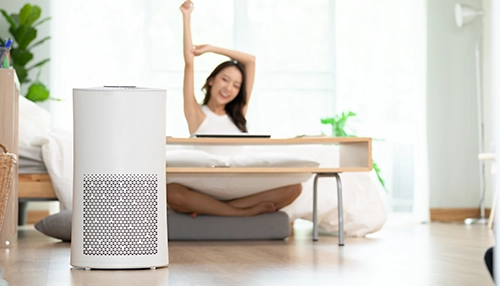
Most of us spend significantly more time indoors during the Canadian winter than when it’s warm outside. Windows remain closed, heating systems run around the clock, and fresh air circulation is reduced. While it keeps homes warm, this can also lead to poor indoor air quality, which is often overlooked until health a65nd comfort problems arise.
Indoor air quality is particularly important in winter, as the conditions that keep us warm can also trap pollutants in our homes.
Homes Are Tighter in Winter
Homes are airtight in the wintertime to prevent cold air and heat loss. While that is energy-conserving, it is also ventilation-reducing. An unhealthy level of dust and irritants fills your home, and they remain there due to poor ventilation.
Over time, this can affect breathing comfort, worsen allergies, and lead to headaches or fatigue, particularly in homes with poor airflow.
Heating Systems Can Circulate Pollutants
When heating systems are continuously operated, they circulate air throughout the home. Dust and particles can be pushed from room to room if filters are dirty or duct systems are not properly tuned up.
Dry winter air can also dry out the respiratory system, making people more sensitive to poor air quality. Clean filters and just-right humidity, meanwhile, can help ensure heated air is comfortable and doesn’t harm your health.
Greater Likelihood of Dryness and Irritation
The winter is typically much drier, and with a heating system, you can zap even more moisture out of the air. There are numerous reasons to consider a humidifier for your home, and dry conditions are more than just an annoyance. Low humidity can cause dry skin, irritated sinuses, itchy eyes or throat, and can make longer-lasting illnesses like colds and flu even worse.
Optimal indoor humidity makes the air feel warmer, allowing you to lower your thermostat and save energy during winter months. Good humidification is key to keeping the indoor air in your home healthy throughout the winter.
Effect on Children, the Elderly, and Sensitive Persons
Everyone is affected by poor indoor air quality, but children, the elderly, and adults with asthma or allergies are particularly susceptible. When air quality is poor, it can be easier to notice symptoms such as coughing, congestion, or trouble breathing.
Better indoor air quality can help all family members breathe more easily during the winter, especially since you spend so much time indoors.
Easy Hacks for Cleaner Indoor Air
Even with apples, you don’t have to make big changes to improve indoor air quality. Replacing furnace filters regularly, cleaning the ventilation system, regulating humidity, and having regular professional HVAC inspections can all make a difference you will notice.
When you partner with a reliable indoor climate specialist such as NexKlima, you can rest easy knowing that your home’s heating and air systems are functioning at their best to keep you comfortable and breathe clean air all winter long.
Final Thoughts
Remaining warm is not the only goal when it comes to winter comfort. It is also about breathing clean, healthy air every day. While houses remain buttoned up and heating systems run in overdrive, indoor air quality assumes a larger role in health and well-being.
As we take measures to keep warm, maintaining good indoor air quality is essential to ensuring a safe and comfortable home and continued health for all residents in the long term.